
🇺🇸▼
Cars today are much cleaner than cars from 1970. The air in the United States is better now. In Los Angeles, lead levels were very high in the 1970s. Lead is a poison that hurts children. Today, lead in children's blood is down a lot. This big change is thanks to a special part called the catalytic converter. It cleans dirty gases before they leave a car. 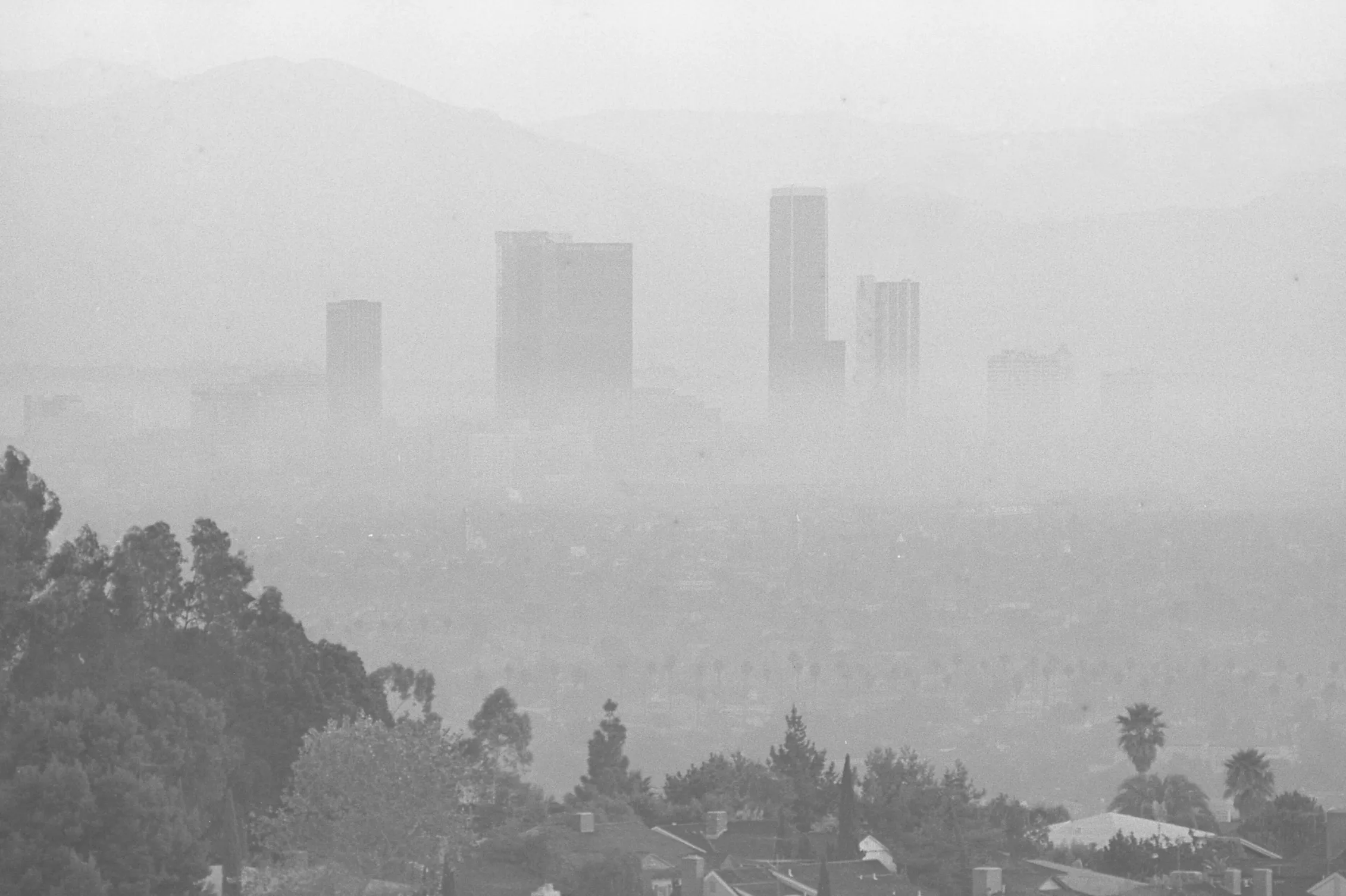 California has a special rule from a federal law. This law lets states make their own pollution rules. California's rules are often stricter than rules for other states. The state used this power early to make catalytic converters standard. This helped people stay healthy across the whole country. We should remember that California made the air safer for everyone.
Many people think the 1970 Clean Air Act started the change. That law and the first head of the EPA deserve credit. But without California's push, the technology would have moved slower. The air would have stayed dirty for many more years.
Eugene Houdry invented the first catalytic converter in the 1950s. He had already made it easier to make gasoline from oil. More people bought cars because of his work. But more cars also created terrible smog. Smog is a thick mix of smoke and fog that blocks the sun. Houdry saw that cars were choking the air in Los Angeles. He decided to fix the problem by 1959. You might think car companies would use this new part fast. But they did not. Instead, they kept this technology off the market for years. This led to a big legal settlement. It was not until the 1970 Clean Air Act that companies took the idea seriously.
The 1970 Clean Air Act had a very big goal. It ordered carmakers to cut pollution by 90% by 1975. Congress passed this rule knowing the technology was not fully ready. Houdry's converter could not work with leaded gasoline. It also had not been tested in very cold or hot weather. Ford Motor Company told Congress the goal was impossible. They said they could not make cars after 1975. 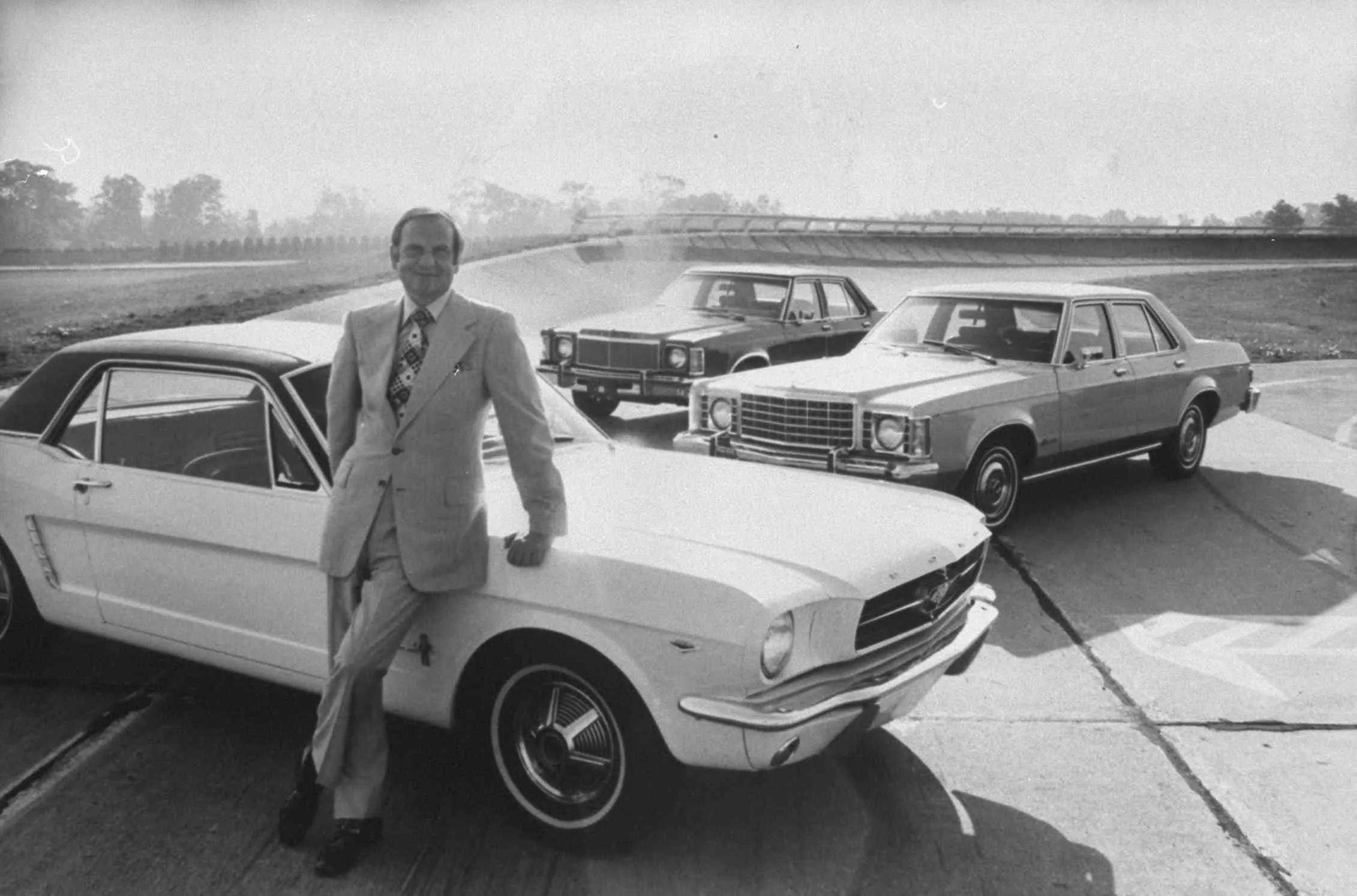 Congress ignored Ford and passed the strict rules. Carmakers worked together to improve the converter. This became easier when Engelhard Company found the converter worked with unleaded gasoline. The EPA then ordered gas stations to sell unleaded fuel in 1975. Carmakers also tried to make the rules weaker. A court gave them an extra year. Congress later extended the deadline to 1981. But California did not stop pushing.